

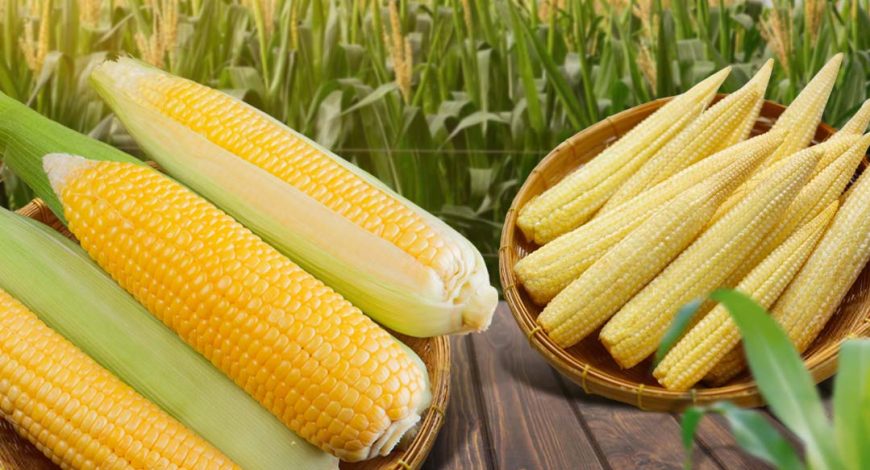
Have you ever wondered why baby corn looks so different from sweet corn even though farmers harvest them from the same plant? Many people assume that farmers grow baby corn as a smaller variety. In reality, the true answer reveals a much more interesting story.
The biggest difference in Baby Corn vs Sweet Corn is the harvest timing. Farmers harvest baby corn while the ears are still young. They leave sweet corn on the plant much longer so the kernels can fully develop and become naturally sweet. Although this sounds like a small detail, it completely changes their appearance, texture, flavor, and culinary uses.
Whether you cook at home or work in the food industry, mastering these differences helps you choose the right ingredient for every recipe.
Let’s explore how one corn plant produces two completely different vegetables.
One Plant, Two Different Harvests
At first glance, baby corn and sweet corn seem unrelated. However, they actually grow on the same type of corn plant.
Farmers harvest baby corn just a few days after the silk appears. At this stage, pollination has not happened yet, so the kernels never develop. As a result, the entire cob stays soft, tender, and completely edible.
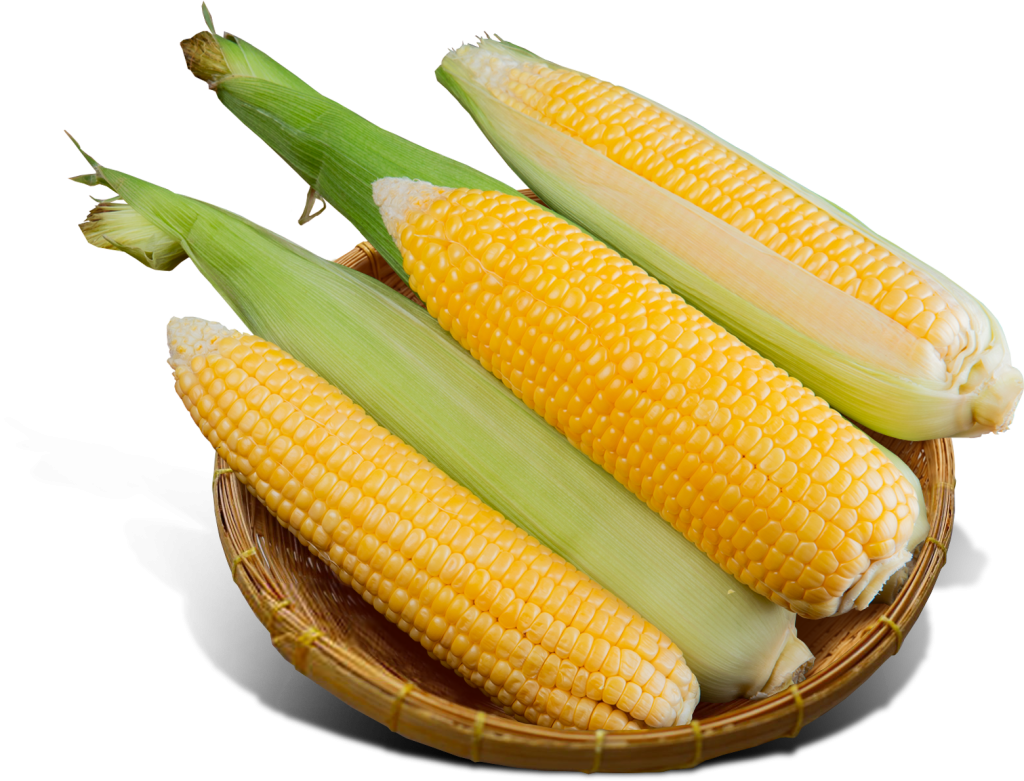
Meanwhile, farmers allow sweet corn to mature on the stalk. After pollination, the kernels fill with natural sugars and moisture. Consequently, sweet corn develops the juicy texture and sweet flavor that people love.
Think about bananas for a moment. A green banana and a ripe yellow banana grow on the same tree. Yet, they taste completely different because they reach different stages of maturity. Corn follows this exact same rule.
That’s why harvest timing plays such an important role.
Baby Corn vs Sweet Corn: What’s the Difference?
Although both vegetables share the same origin, they deliver completely different flavors and textures to your plate
Harvest Stage
Farmers harvest baby corn before pollination, while the ears are still small and tender. In contrast, they harvest sweet corn only after the kernels have fully developed.
Appearance
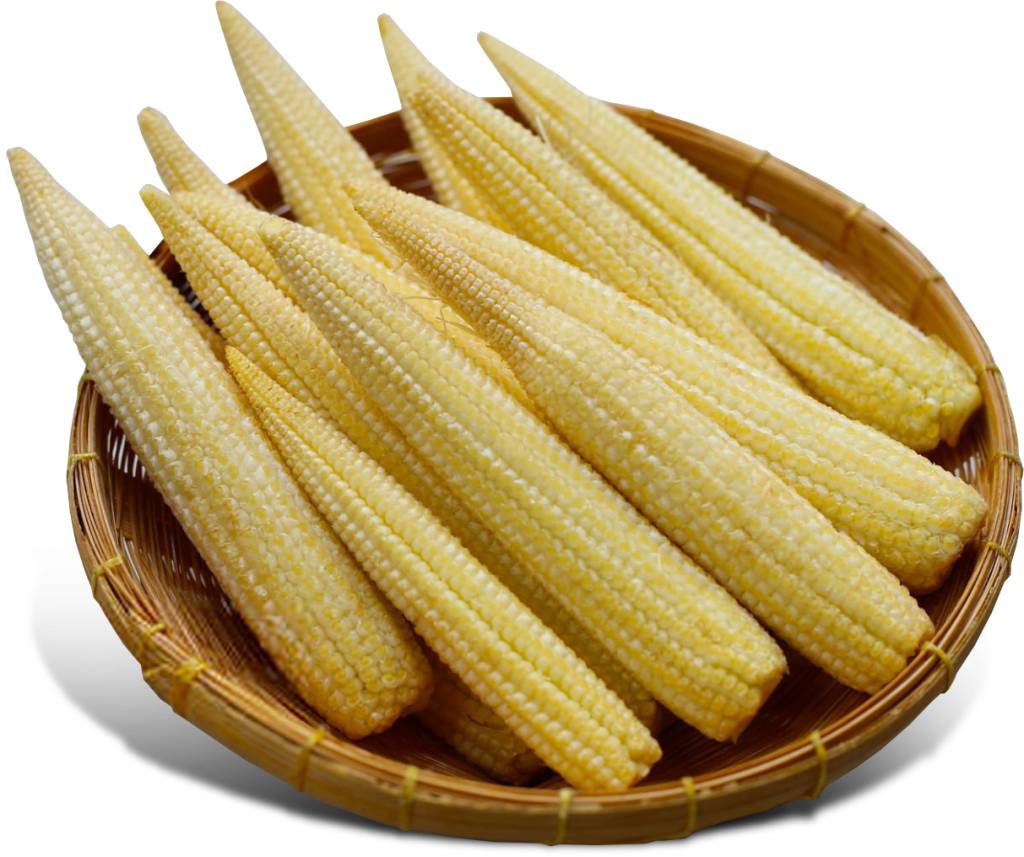
Baby corn usually measures between 5 and 12 centimeters (2–5 inches). It has a slim shape, a pale yellow color, and no visible kernels.
Sweet corn grows much larger. Its bright yellow, white, or bi-color kernels cover the cob completely, giving it the familiar appearance found in supermarkets.
Texture
Baby corn has a crisp yet tender bite. Even after cooking, it keeps its pleasant crunch.
Sweet corn feels much softer. Every bite releases natural sweetness because the mature kernels contain more sugar and moisture.
Flavor
Baby corn has a delicate, mild taste. Therefore, it easily absorbs herbs, spices, and sauces during cooking.
Sweet corn naturally tastes sweeter. Because it matures longer on the plant, its kernels develop more sugar, making it delicious even with minimal seasoning.
Edibility
One of the biggest surprises is that people can eat the entire baby corn cob. Since the cob remains soft, there’s nothing to remove before cooking.
Sweet corn is different. People eat only the kernels because the mature cob becomes tough and fibrous.
Which One Works Better in the Kitchen?
The answer depends on the dish you want to prepare.
Choose baby corn when you cook stir-fries, curries, noodle dishes, or fresh salads. Its crunchy texture adds instant freshness without overpowering other ingredients. Furthermore, its mild flavor easily absorbs almost any seasoning.
On the other hand, sweet corn works best when you want natural sweetness. People often grill it, boil it, roast it, or add it to soups, tacos, casseroles, and vegetable salads. Because of its juicy kernels, sweet corn also makes a satisfying side dish on its own.
Neither vegetable beats the other. Instead, each type serves a unique purpose in your kitchen. Once you master these differences, you can easily select the right corn for your recipe.
If you’re looking for premium frozen vegetables, take a look at Hagkenfarm’s Frozen Vegetables Catalog: https://hagkenfarm.com/vegetables/. You’ll find export-quality products that are carefully processed to preserve freshness, texture, and flavor.
Nutrition: Which One Is Better?
When comparing Baby Corn vs Sweet Corn, many people immediately ask which one is healthier. The good news is that both offer valuable nutrients, but each has its own strengths.
Baby corn delivers fewer calories and carbohydrates because farmers harvest it before the kernels mature. This vegetable also supplies dietary fiber, vitamin C, and folate to enhance any healthy meal.
Sweet corn, on the other hand, provides more carbohydrates and natural sugars. As a result, it supplies more energy and a satisfying sweetness. It also contains fiber, B vitamins, lutein, and zeaxanthin, two antioxidants that support healthy vision.
Instead of choosing one over the other, consider your recipe and nutritional goals. If you want a light, crunchy vegetable, baby corn is an excellent option. However, if you’re looking for a naturally sweet ingredient with more energy, sweet corn is the better fit.
Fresh vs Frozen Baby Corn
Fresh baby corn tastes wonderful, but frozen baby corn offers several practical advantages. Thanks to modern freezing technology, producers can preserve its color, texture, and nutritional value shortly after harvest.
As a result, frozen baby corn stays fresh for much longer than fresh produce. It also helps reduce food waste because you can use only the amount you need and keep the rest frozen.
For restaurants, catering companies, and food manufacturers, frozen baby corn delivers consistent size and quality throughout the year. In addition, kitchen staff spend less time trimming and preparing vegetables, which improves efficiency during busy service hours.
That’s why many professional kitchens choose frozen baby corn for everyday cooking.
Popular Dishes Around the World
One reason people enjoy both vegetables is their incredible versatility. Although they come from the same plant, each one plays a different role in global cuisine.
Baby corn is especially popular in Asian cooking. For example, chefs often add it to stir-fries, curries, noodle dishes, fried rice, hot pots, and mixed vegetable recipes. Because it keeps its crisp texture after cooking, it adds a pleasant bite to every dish.
Meanwhile, sweet corn appears in recipes across nearly every continent. In North America, people enjoy grilled corn during summer barbecues. Across Europe, sweet corn is a popular topping for pizzas, salads, and pasta dishes. In Latin America, it features in soups, tamales, empanadas, and many traditional recipes.
Clearly, both vegetables have earned a place in kitchens around the world.
Why Food Businesses Prefer Baby Corn
Beyond home cooking, baby corn has become an important ingredient in the food industry. Restaurants, hotels, catering services, and frozen food manufacturers value it for several reasons.
First, baby corn has a uniform size that creates an attractive presentation. Second, its mild flavor pairs well with many cuisines. Moreover, the whole cob is edible, so chefs don’t need to remove any tough parts before serving.
Frozen baby corn also offers a reliable year-round supply. Consequently, businesses can maintain consistent menu quality regardless of seasonal harvests.
For importers and distributors, these advantages make frozen baby corn a practical product with strong demand in both retail and food service markets.
Discover More Premium Frozen Products from Hagkenfarm
At Hagkenfarm, we believe high-quality ingredients begin with careful selection and reliable processing. That’s why we offer a wide range of export-quality frozen products for customers around the world.
Explore our product catalogs:
- Sweet Potato Catalog: https://hagkenfarm.com/sweet-potato/
- Cassava Catalog: https://hagkenfarm.com/cassava/
- Frozen Vegetables Catalog: https://hagkenfarm.com/vegetables/
- Frozen Fruits Catalog: https://hagkenfarm.com/fruit/
- Frozen Herbs & Leafy Vegetables Catalog: https://hagkenfarm.com/spices/
If you’d like to see product updates, recipes, and behind-the-scenes content, follow our official Instagram:
https://www.instagram.com/hagkenfarm_indonesia/
You can also shop selected Hagkenfarm products through our official Shopee store:
https://shopee.co.id/hagkenfarm
Whether you’re a home cook, retailer, distributor, or food manufacturer, Hagkenfarm is ready to provide premium frozen products that meet international quality standards.
From the Same Plant to Different Possibilities
Although both vegetables grow on the same plant, they offer unique textures, flavors, and culinary applications. In fact, the comparison of baby corn versus sweet corn proves that harvest timing changes everything.
Baby corn delivers a crisp texture and mild flavor that work perfectly in stir-fries, curries, stews, and salads. Meanwhile, sweet corn provides juicy kernels and natural sweetness that elevate grilled dishes, soups, and sides.
When you spot both at the market next time, you will immediately unlock the secret behind their unique looks and flavors. Better yet, toss both into your next dish to experience their magic firsthand.
FAQ: Baby Corn vs Sweet Corn
1. Is baby corn just immature sweet corn?
Yes. Baby corn and sweet corn come from the same plant. However, farmers harvest baby corn before pollination, while they harvest sweet corn after the kernels fully develop. This difference in timing creates unique textures, flavors, and cooking applications.
2. Can you eat the entire baby corn cob?
Yes, you can. Farmers harvest baby corn while it’s still young and tender, so the entire cob remains edible. As a result, baby corn is a convenient ingredient for stir-fries, soups, curries, salads, and vegetable side dishes.
3. Which is healthier: baby corn or sweet corn?
Both options pack rich nutrition. Baby corn delivers fewer calories and carbohydrates to suit lighter meals, while sweet corn supplies extra natural sugars, fiber, and energy. Ultimately, your specific dietary goals and recipes dictate the healthier choice.
4. Why is baby corn popular in Asian cuisine?
Chefs prefer baby corn for its crisp texture and mild flavor, which easily absorbs sauces and spices. Furthermore, this vegetable retains its tenderness during cooking, elevating stir-fries, noodle dishes, curries, and mixed vegetables.
5. Can I substitute baby corn for sweet corn?
However, choose carefully because each type delivers unique results. Baby corn adds crunch and absorbs surrounding flavors, while sweet corn contributes juicy kernels and natural sweetness. To ensure the best dish, select the corn that matches your recipe and taste.
6. Where can I buy premium frozen baby corn?
If you’re looking for export-quality frozen baby corn, browse Hagkenfarm’s Frozen Vegetables Catalog at https://hagkenfarm.com/vegetables/. You can also follow Hagkenfarm on Instagram or visit the official Shopee store to explore more frozen products.

