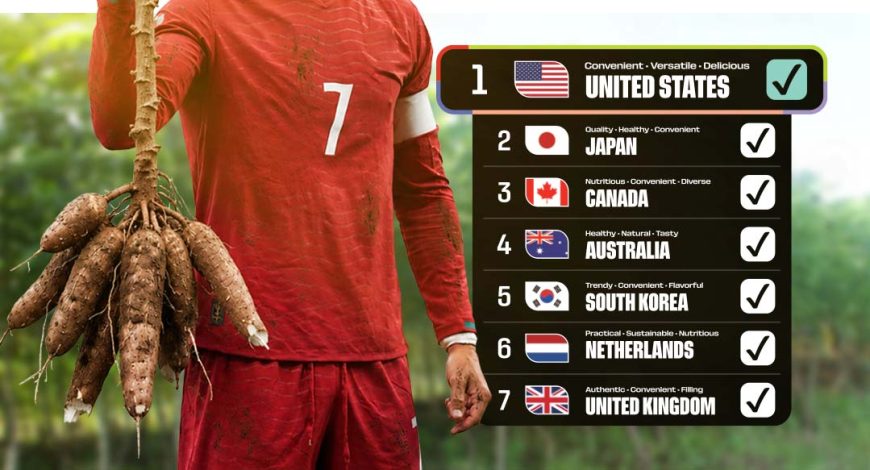
When people think about Indonesia’s export products, coffee, palm oil, and spices usually come to mind first. However, there’s another product quietly gaining popularity across the globe—frozen cassava.
Over the past few years, frozen cassava has become a favorite among international buyers. It’s convenient, has a long shelf life, and keeps its natural taste and texture thanks to modern freezing technology. As a result, consumers can skip the peeling and cleaning process and cook it straight from the freezer.
Today, cassava is no longer viewed as a traditional food found only in tropical countries. Instead, it has become a versatile ingredient used by restaurants, food manufacturers, supermarkets, and even ready-to-eat meal producers.
So, which countries offer the biggest opportunities for frozen cassava exports? Let’s take a closer look.
Why Is Frozen Cassava Becoming More Popular?
Consumer lifestyles have changed significantly. More people want food that is both convenient and natural. Frozen cassava fits perfectly into that trend.
Besides convenience, many consumers are looking for alternatives to potatoes and rice. Cassava offers a unique texture, mild flavor, and excellent versatility in both savory and sweet dishes.
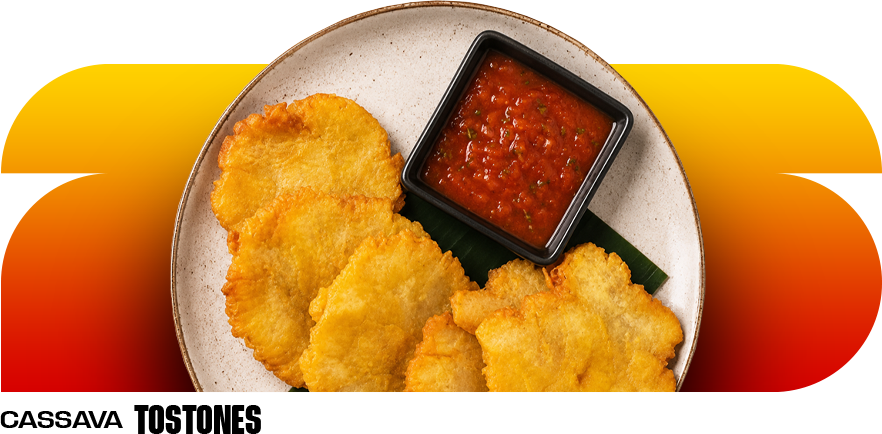
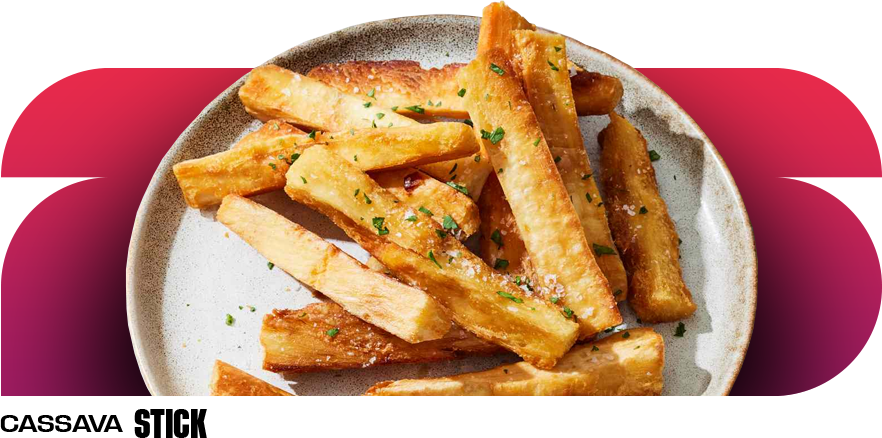
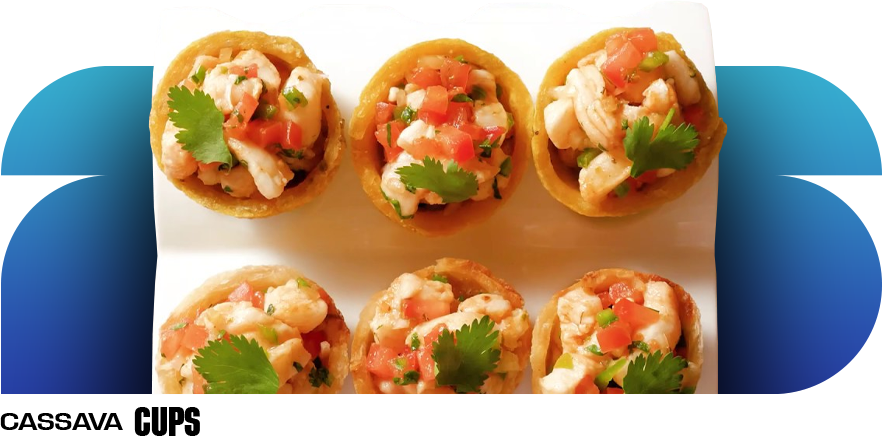
From crispy fries to steamed side dishes and traditional desserts, frozen cassava can be prepared in countless ways. This flexibility makes it attractive for home cooks and professional chefs alike.
Another advantage is logistics. Frozen cassava lasts much longer than fresh cassava when stored properly in a frozen supply chain. That means less food waste and more reliable distribution for importers.
1. United States
The United States is one of the world’s largest markets for frozen cassava.
Demand comes from Latin American, Caribbean, African, and Asian communities that regularly include cassava in their daily meals. At the same time, mainstream consumers are becoming more familiar with cassava through gluten-free and plant-based food trends.
Many Asian and international supermarkets already stock frozen cassava, making it a well-established product in the retail market.
For exporters, the U.S. offers consistent demand and opportunities for long-term partnerships with distributors and food service companies.
2. Japan
Japan has one of the highest food quality standards in the world. While entering this market requires strict quality control, the rewards can be significant.
Japanese consumers appreciate products that are clean, neatly packaged, and easy to prepare. Frozen cassava matches these preferences when produced under high food safety standards.
Consistency is especially important. Buyers expect uniform size, excellent texture, and reliable quality in every shipment.
3. Canada
Canada is another promising destination for frozen cassava exports.
The country’s multicultural population creates steady demand for international food products. Communities from Africa, Latin America, and Asia actively purchase frozen cassava through ethnic grocery stores and international supermarket chains.
Canada’s cold climate also encourages consumers to keep frozen food at home throughout the year, making frozen cassava a practical choice for everyday cooking.
4. Australia
Australia has become one of the most attractive destinations for frozen cassava exports. The country’s multicultural population enjoys foods from across the world, and cassava has found its place in many households and restaurants.
Asian, African, and Latin American communities already know cassava well, while local consumers are becoming more interested in trying new ingredients. As a result, frozen cassava is appearing in more supermarkets and specialty grocery stores every year.
Australia also values food safety and product consistency. Exporters that provide high-quality packaging, reliable supply, and international food safety certifications have a strong opportunity to build long-term business relationships.
5. South Korea
South Korea is another market worth watching.
As global cuisines continue to grow in popularity, Korean consumers are becoming more adventurous with international ingredients. Frozen cassava is gradually gaining attention through international grocery stores, restaurants, and online food retailers.
Convenience is a major selling point. Busy lifestyles encourage consumers to choose frozen products that are easy to prepare without sacrificing quality.
Although the market is still developing compared to North America, South Korea offers promising long-term growth for exporters willing to invest in product quality and brand awareness.
6. Netherlands
The Netherlands is often called the gateway to Europe, and for good reason.
Many food importers use Dutch ports and distribution centers to supply products across the European Union. This makes the country one of the most strategic destinations for frozen cassava exports.
Demand is supported by Surinamese, African, Caribbean, and Asian communities, where cassava is already an important part of traditional cuisine.
For Indonesian exporters, entering the Dutch market can also create opportunities to reach neighboring countries such as Germany, Belgium, France, and other European markets.
7. United Kingdom
Finally, the United Kingdom completes the list of the seven best global markets for frozen cassava.
Its diverse population has created strong demand for international food products. As a result, frozen cassava is commonly available in African, Asian, and Caribbean supermarkets throughout the country.
In addition, restaurants, catering companies, and food wholesalers purchase frozen cassava because they need a reliable and consistent supply throughout the year.
For exporters, however, consistency is the key to long-term success. Buyers are far more likely to continue working with suppliers who can deliver the same high product quality in every shipment. Ultimately, maintaining consistent quality helps build trust and creates opportunities for long-lasting business partnerships.
What Do Importers Look for in Frozen Cassava?
While price is certainly an important consideration, it is rarely the only factor that influences a purchasing decision. In fact, experienced importers tend to focus on long-term value rather than simply choosing the lowest-priced supplier.
Before signing a contract, professional buyers usually evaluate suppliers based on several quality standards, including:
- Uniform size and cutting.
- Natural white color without discoloration.
- Fresh taste and soft texture after cooking.
- Strong, food-grade export packaging.
- Reliable cold chain management.
- International food safety certifications.
- Stable production capacity throughout the year.
- On-time delivery.
In addition, many importers also value clear communication, fast responses, and the ability to customize products according to market requirements.
Ultimately, meeting these expectations helps exporters build trust, strengthen their reputation, and establish long-term partnerships with buyers around the world. As a result, suppliers who consistently deliver high-quality frozen cassava are more likely to secure repeat orders and expand into new international markets.
Indonesia Is Ready to Meet Global Demand
Indonesia has all the essential ingredients for becoming one of the world’s leading frozen cassava suppliers.
The country produces abundant cassava, has experienced agricultural workers, and benefits from a tropical climate that supports year-round harvesting.
With proper processing—including washing, peeling, cutting, blanching, rapid freezing, and hygienic packaging—Indonesian frozen cassava can compete successfully in international markets.
Quality should always come before price. Buyers appreciate suppliers who consistently deliver products that match their specifications, shipment after shipment.
If you are searching for reliable export-ready frozen products, explore Hagkenfarm’s complete product range:
- Sweet Potato Catalog: https://hagkenfarm.com/sweet-potato/
- Cassava Catalog: https://hagkenfarm.com/cassava/
- Frozen Vegetables Catalog: https://hagkenfarm.com/vegetables/
- Frozen Fruits Catalog: https://hagkenfarm.com/fruit/
- Frozen Herbs & Leaves Catalog: https://hagkenfarm.com/spices/
For product updates and export activities, follow Hagkenfarm on Instagram:
https://www.instagram.com/hagkenfarm_indonesia/
You can also browse selected products through Hagkenfarm’s official Shopee store:
https://shopee.co.id/hagkenfarm

FAQ: Frequently Asked Questions About Frozen Cassava
What is frozen cassava?
Frozen cassava is fresh cassava that has been cleaned, peeled, cut, and frozen using commercial freezing technology. This process helps preserve its natural taste, texture, and quality while extending its shelf life.
Which countries import the most frozen cassava?
The United States, Japan, Canada, Australia, South Korea, the Netherlands, and the United Kingdom are among the most promising markets due to strong consumer demand and growing international food industries.
Why is frozen cassava becoming more popular?
Consumers appreciate frozen cassava because it is convenient, easy to store, and simple to prepare. It also serves as an excellent alternative to potatoes and other carbohydrate sources in many recipes.
What should importers consider when choosing a frozen cassava supplier?
Importers usually evaluate product consistency, food safety certifications, packaging quality, production capacity, and reliable shipping performance before selecting a long-term supplier.
Does Hagkenfarm supply products besides frozen cassava?
Yes. Hagkenfarm also offers frozen sweet potatoes, frozen vegetables, frozen fruits, and frozen herbs and leaves for domestic and international markets.